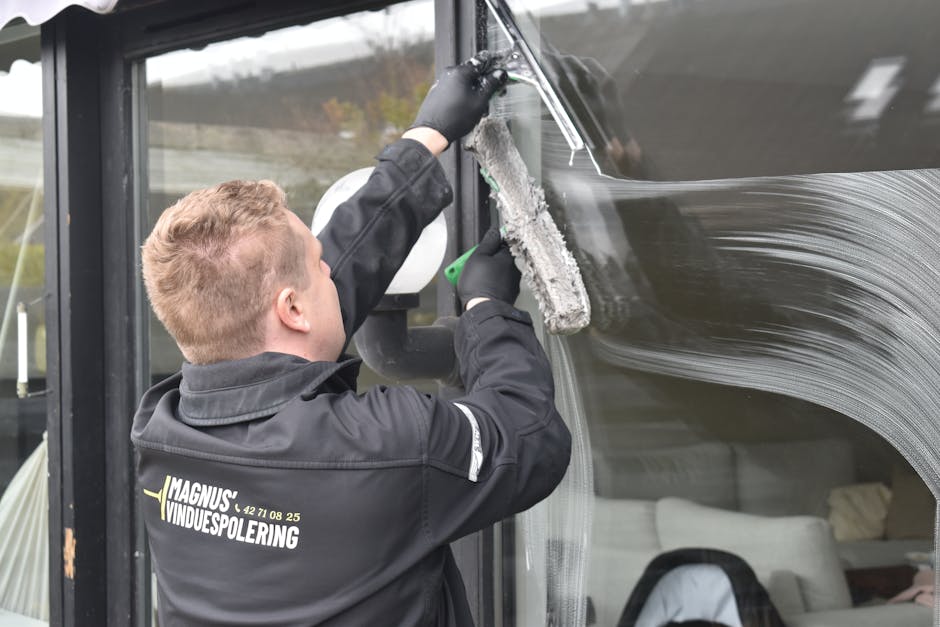
Bentall Centre shop cleaning services in Kingston: a practical guide for busy retail spaces
If you manage, lease, or operate a shop at or near the Bentall Centre, you already know the pace can be unforgiving. Footfall builds quickly, floors pick up grit in no time, glass shows every fingerprint, and back-of-house areas can slip from "fine" to messy surprisingly fast. That is exactly why Bentall Centre shop cleaning services in Kingston matter so much: not as a nice extra, but as a working part of keeping a retail unit presentable, safe, and ready for customers.
Good retail cleaning is about more than a quick sweep before opening. It is about protecting first impressions, reducing slip risks, keeping stock areas orderly, and supporting a smooth customer experience from one trading hour to the next. In a busy Kingston shopping environment, that can make a real difference. Truth be told, shoppers notice more than we think they do.
This guide explains how shop cleaning works, what to expect, where the value sits, and how to choose a sensible service for the Bentall Centre area without overpaying or cutting corners. You will also find practical tips, a comparison table, a checklist, and answers to common questions.
Table of Contents
- Why Bentall Centre shop cleaning services in Kingston Matters
- How Bentall Centre shop cleaning services in Kingston Works
- Key Benefits and Practical Advantages
- Who This Is For and When It Makes Sense
- Step-by-Step Guidance
- Expert Tips for Better Results
- Common Mistakes to Avoid
- Tools, Resources and Recommendations
- Law, Compliance, Standards, or Best Practice
- Options, Methods, or Comparison Table
- Case Study or Real-World Example
- Practical Checklist
- Conclusion
- Frequently Asked Questions
Why Bentall Centre shop cleaning services in Kingston Matters
A retail unit in or around the Bentall Centre sits in a high-visibility environment. People pass by constantly, often with very little patience for dull windows, dusty shelving, or a sticky entrance mat. If the shop looks tired, customers may not consciously analyse it, but they will feel it. And they may walk on.
That is the simple commercial side. Then there is the practical side. Shops collect soil from shoes, packaging debris, drink spills, dust from display units, and grime from constant touchpoints like handles, card machines, rails, counters, and fitting rooms. Over a day, those small things stack up.
Retail cleaning matters because it helps you:
- keep the shop floor safe and visually appealing
- reduce clutter and contamination in customer-facing and staff-only areas
- protect fixtures, finishes, and display areas from premature wear
- maintain a more consistent brand standard
- avoid the last-minute scramble before busy periods, promotions, or deliveries
If you operate a fashion store, gift shop, beauty counter, convenience store, or specialist boutique, the impact is immediate. A clean shop feels calmer. It feels more trustworthy. And in a place like Kingston, where shopping trips are often part of a wider day out, that calm matters.
For local business owners thinking more broadly about the area, Kingston has a lively commercial mix and strong residential demand, which means footfall and presentation both matter. If you are interested in the wider local context, you may also find our pieces on why locals call Kingston home and smart Kingston real estate decisions useful for understanding the area's character.
How Bentall Centre shop cleaning services in Kingston Works
Retail cleaning usually starts with a short walk-through. A good provider should ask how the store is used, what surfaces are most visible, when the quiet periods are, and whether you need early morning, evening, or daytime support. In a busy centre environment, timing is often half the battle.
The actual cleaning plan often includes a blend of routine tasks and targeted tasks. That might mean daily floor care, glass and entrance cleaning, toilet checks if the unit has facilities, dusting fixtures, sanitising high-touch points, and occasional deeper work for carpets, upholstery, or storage areas.
In plain English, the service should fit how your shop really functions, not some generic template. A boutique with delicate displays will need a different approach from a high-turnover convenience store. A unit with changing rooms will have different hotspots than one with a simple open-plan layout.
Typical retail cleaning stages include:
- Assessment: understanding the layout, materials, access windows, and priority areas.
- Schedule setting: agreeing how often and when cleaning happens.
- Task list creation: defining routine, weekly, and periodic deep-clean tasks.
- Cleaning execution: using the correct products, cloths, and equipment for each area.
- Quality check: confirming the expected standard and flagging issues early.
When you compare providers, ask whether they can also support specialist needs such as carpet cleaning in Kingston upon Thames or upholstery cleaning for seating and soft furnishings. Those extras are often what keep a retail space looking properly cared for rather than just "surface clean".
And yes, the small stuff matters. Fingerprints on glass doors. Dust on skirting. Scuff marks at the till. That is the stuff customers see in about three seconds flat.
Key Benefits and Practical Advantages
The strongest benefit is not just appearance. It is consistency. Customers walking into the same shop on a Monday morning and a Saturday afternoon should still feel they are in a well-run place. Cleaning helps maintain that standard, even when trading is hectic.
Here are the main practical advantages:
- Better first impressions: a clean entrance, clear glass, and tidy floors send a strong signal immediately.
- Lower risk of accidents: routine floor care helps reduce slip hazards from spills, rainwater, and tracked-in dirt.
- Improved staff morale: people work differently in a space that feels cared for. It sounds small, but it really isn't.
- Longer-lasting fixtures: dirt and grit wear down surfaces over time, especially in high-footfall retail units.
- Better hygiene at touchpoints: counters, door handles, baskets, and payment areas need regular attention.
- More reliable opening readiness: a proper cleaning schedule helps the shop start each day in a presentable state.
There is also a subtle commercial advantage. A clean shop is easier to merchandise. Displays look sharper. Products stand out better. Even lighting appears brighter when dust and smears are removed. Not glamorous, perhaps, but very real.
Practical takeaway: for retail units in Kingston, cleaning is not just housekeeping; it is part of brand presentation, safety management, and day-to-day trading resilience.
For business owners who want a broader view of services and support, the services overview page is a useful starting point, especially if you are comparing retail cleaning with other property care options.
Who This Is For and When It Makes Sense
This kind of service is not only for large chain stores. In fact, smaller independent retailers often benefit just as much, sometimes more. If you are stretched thin, the cleaning side tends to get squeezed until it becomes visible. That is usually the wrong moment to notice it.
Bentall Centre shop cleaning services in Kingston make sense for:
- independent shop owners who want a reliable front-of-house standard
- multi-site retailers needing local support for a Kingston branch
- store managers responsible for keeping a unit ready for trading
- franchise operators following branded cleanliness expectations
- temporary pop-up shops that still need to look polished
- shops with changing rooms, fitting areas, or customer seating
It also makes sense when there is seasonal pressure. Christmas trading, sale periods, bank holidays, summer footfall, and local event days all increase traffic and mess. If you have ever opened the shop after a busy Saturday and thought, "Right, this needs a proper reset," you are in the right territory.
Retail cleaning is especially useful when:
- your team is too small to cover cleaning consistently
- customer complaints about presentation have started creeping in
- you are preparing for an inspection, audit, or brand check
- you want to protect high-end fixtures or soft furnishings
- your opening hours make internal cleaning awkward
For smaller living-and-working patterns nearby, our guides on domestic cleaning in Kingston upon Thames and house cleaning in Kingston show how cleaning standards differ depending on the space, which is useful if you manage both retail and residential properties.
Step-by-Step Guidance
If you are arranging shop cleaning for a retail unit near the Bentall Centre, a simple process usually works best. No need to overcomplicate it. The smoother the setup, the easier it is to keep standards steady later.
- Identify the main pain points. Is it the entrance, changing rooms, stockroom, glass, toilets, or all of the above? Be specific.
- Map the trading pattern. Note opening times, delivery windows, quieter periods, and the busiest customer flows.
- Separate routine and deep-clean tasks. Daily touchpoint cleaning is not the same as periodic deep cleaning.
- Agree the scope. Be clear on what is included, what is optional, and what counts as an extra visit.
- Choose suitable products and methods. Different surfaces need different care. Glass, vinyl, carpet, stone, and upholstery all behave differently.
- Confirm access and security arrangements. Keyholding, alarm codes, and handover times should be handled carefully.
- Review after the first few visits. A good setup often needs a little fine-tuning. That is normal, not a problem.
A useful way to think about it is this: if a task affects the customer experience, it belongs in the schedule. If it affects safety, it belongs in the schedule twice. Slight exaggeration maybe, but not much.
For any provider, it is worth checking how they handle trust and safety. Our pages on insurance and safety and health and safety policy are helpful references for what responsible service standards should look like.
Expert Tips for Better Results
Small adjustments make a big difference in retail cleaning. To be fair, most problems do not come from dramatic failures; they come from minor, repeated oversights.
Here are a few expert tips that genuinely help:
- Prioritise touchpoints first. Doors, counters, card readers, baskets, fitting-room handles, and tills should be at the top of the list.
- Use entrance matting properly. A decent mat system can cut down on grit being dragged through the shop.
- Clean from cleanest to dirtiest. It sounds obvious, but it avoids spreading soil around.
- Match cleaning times to footfall. Early mornings and late evenings are often easier than trying to clean in the middle of a rush.
- Review storage areas, not just the shop floor. A neat customer area can be undermined by a chaotic stockroom.
- Watch for seasonal grime. Rain, salt, pollen, and extra packaging all change the cleaning picture across the year.
If you manage a retail unit with soft seating, fabric displays, or consultation chairs, consider periodic upholstery cleaning as part of the maintenance plan. A clean chair can quietly lift the feel of a whole room. A dirty one does the opposite, obviously.
One more practical note: do a quick midday check. Not a full inspection. Just a two-minute look at glass, threshold, floor corners, and the till area. That tiny habit catches a lot before it grows teeth.
Common Mistakes to Avoid
Retail cleaning fails for predictable reasons. The good news is that most of them are easy to avoid once you know what to watch for.
- Only cleaning what customers immediately see. Back-of-house mess tends to spill into front-of-house sooner or later.
- Using the wrong product on the wrong surface. Strong chemicals can dull finishes, damage screens, or leave residue.
- Leaving cleaning too late in the day. By then, staff are tired and standards slip. Happens everywhere.
- Assuming one deep clean solves everything. It usually does not. Consistency is what matters.
- Ignoring access and security details. A great clean is no use if the handover process is messy or risky.
- Failing to review the scope. Shops change. Promotions, stock layouts, and customer flow all shift over time.
Another one: not asking how issues are handled. If something is missed, how is it reported? Who responds? What happens next? Those are boring questions, but they save headaches later.
If your shop is customer-facing all day, you should also make sure complaints, service gaps, or special requests can be dealt with clearly. The complaints procedure page is worth reading as a sign of how a provider handles problems professionally rather than defensively.
Tools, Resources and Recommendations
The best cleaning results usually come from the right combination of people, equipment, and scheduling. Fancy gadgets are not the answer here. Practical, well-chosen tools are.
Useful tools and resources often include:
- microfibre cloths for glass, counters, and touchpoints
- commercial vacuums with appropriate filtration
- neutral floor cleaners for compatible surfaces
- glass-safe cleaning solutions for entrances and display windows
- colour-coded cloth systems to reduce cross-contamination
- litter picks and small waste-management supplies for entrances and external thresholds
- inspection checklists for daily and weekly tasks
For shops dealing with heavy footfall, carpeted zones, or fitted runners, a specialist approach can save time and preserve materials. If that is relevant for your unit, the dedicated carpet cleaning service page offers a useful next step.
It is also sensible to compare service details carefully before booking. Transparent pricing, secure payment methods, and clear terms are all signs that a provider has thought through the practical side, not just the marketing side. You can review the company's pricing and quotes information and payment and security guidance to understand what a more organised setup looks like.
And yes, the boring admin pages matter. They really do. They tell you how a business treats the unglamorous parts of service, which is often where trust lives.
Law, Compliance, Standards, or Best Practice
Retail cleaning in the UK should be approached with sensible attention to health, safety, and general duty of care. This article is not legal advice, but there are a few common expectations worth keeping in mind.
For a shop environment, best practice usually includes:
- keeping floors reasonably free from slip hazards
- storing cleaning products safely and clearly labelled
- using appropriate PPE where needed
- avoiding cross-contamination between toilets, food-adjacent areas, and public touchpoints
- making sure contractors know the site rules and emergency procedures
- maintaining a clear understanding of access, break-in, and lock-up responsibilities
If your unit sits inside a managed retail environment, you may also have additional building or centre requirements to follow. Those can cover timing, access, waste handling, and noise. Always check the local site rules rather than assuming. It saves awkward conversations later.
Responsible providers should also be able to explain their approach to staff welfare, safety processes, and privacy. If that matters to you, their about us page and related trust pages such as modern slavery statement and accessibility statement can offer a better sense of professionalism and values.
Small note, but an important one: if a cleaner is working around customers, staff, stock, or electrical equipment, they should understand the space before they start. Common sense, really. Yet it is surprising how often that part gets skipped.
Options, Methods, or Comparison Table
Not every shop needs the same level of support. Some only need a light daily reset and a periodic deep clean. Others need more structured, frequent attendance. The right choice depends on footfall, product type, layout, and opening hours.
| Cleaning approach | Best for | Strengths | Trade-offs |
|---|---|---|---|
| Daily maintenance clean | Busy retail units, regular trading | Keeps the shop presentable, manageable, and customer-ready | Does not remove deeper build-up on its own |
| Weekly deep clean | Smaller shops or lower-footfall spaces | Targets corners, edges, and overlooked areas | May not be enough for high-traffic units |
| Mixed routine plus periodic specialist cleaning | Retail spaces with carpets, upholstery, or display features | Balances cost and presentation | Needs a bit more planning |
| Out-of-hours cleaning | Stores with constant trading or sensitive customer flow | Least disruption to sales | Requires access planning and trust |
For many Bentall Centre shop owners, a hybrid model works best. Keep the daily standard tight, then schedule deeper work around quieter periods or seasonal lulls. That way the shop never feels like it is always chasing the mess.
As a side note, if you are also running a local office or back-office admin space, you may want to compare the approach with office cleaning in Kingston upon Thames. The working rhythm is different, but the clarity of service scope matters just as much.
Case Study or Real-World Example
Imagine a mid-sized clothing boutique close to the Bentall Centre entrances. The shop looks good at opening, but by mid-afternoon there is a visible trail of grit by the door, fingerprints on the glass, a slightly dusty checkout counter, and a fitting-room area that never quite gets a proper reset. Nothing dramatic. Just enough to dull the overall feel.
The owner initially tried handling cleaning informally with staff. It worked on quieter days, then fell apart during seasonal rushes. Not because anyone was careless, but because retail jobs are already crowded with other priorities. Stock, tills, delivery checks, customer service, returns... the list goes on.
After introducing a structured cleaning routine, the shop changed in a few practical ways:
- the entrance stayed cleaner through the day
- glass surfaces were no longer a constant distraction
- fitting rooms felt more orderly for customers
- staff spent less time firefighting small messes
- the space felt calmer, especially during busy weekend periods
Nothing magical happened. No dramatic transformation scene with music playing in the background. Just a steadier standard, and that was enough.
If you want to understand the wider Kingston setting that shapes retail behaviour and footfall, the blog posts on popular Kingston social spots and Kingston's real estate market trends give a useful sense of how local activity and property use sit together.
Practical Checklist
Use this checklist before booking or reviewing a shop cleaning arrangement for a Bentall Centre retail unit.
- Have you listed the highest-traffic and highest-risk areas?
- Is the schedule aligned with opening hours and delivery windows?
- Do you know which tasks are daily, weekly, and periodic?
- Are entrances, glass, tills, and changing areas included?
- Have access, alarms, and keyholding arrangements been agreed clearly?
- Are products suitable for your flooring, fixtures, and soft furnishings?
- Is there a process for reporting missed items or follow-up work?
- Do you understand pricing, quote structure, and any add-ons?
- Has the provider explained insurance, safety, and site procedures?
- Have you reviewed the provider's trust and policy pages?
If you are still comparing options, it can help to start with a general service page and work outward from there. The services overview and pricing and quotes pages are a sensible combination.
Conclusion
Bentall Centre shop cleaning services in Kingston are about more than neat floors and polished glass. They support customer confidence, help staff work in a more organised space, and reduce the small daily frictions that can quietly drag down a retail unit. In a busy shopping area, that consistency is valuable. Very valuable, actually.
The best approach is simple: define the real needs of the shop, build a cleaning schedule around how the unit actually trades, and choose a provider that understands retail rhythm, not just cleaning in the abstract. Ask practical questions, check the support pages, and make sure the service is built for the pace of Kingston rather than a generic checklist.
Get a free quote today and see how much you can save.
If you are setting up or refining a retail cleaning plan now, take the next step with confidence. A well-kept shop does not just look better. It feels better to work in, to shop in, and to return to the next day. That counts for a lot.
Frequently Asked Questions
What are Bentall Centre shop cleaning services in Kingston?
They are professional cleaning services designed for retail units in and around the Bentall Centre area, usually covering floors, glass, touchpoints, counters, fitting rooms, stock areas, and any other customer-facing or back-of-house zones that need regular upkeep.
How often should a shop be cleaned?
That depends on footfall and the type of shop. Busy retail units often need daily maintenance cleaning, while smaller or lower-footfall shops may manage with less frequent visits plus periodic deep cleaning.
Can cleaning be done outside trading hours?
Yes, and in many retail settings that is the easiest option. Out-of-hours cleaning reduces disruption, avoids customer contact, and makes it easier to clean floors and entrances properly.
What areas of a shop get missed most often?
Commonly missed areas include door handles, skirting, fitting rooms, shelf edges, stockroom corners, and the space around tills and card machines. Those are small details, but they add up fast.
Is shop cleaning different from office cleaning?
Yes. Retail cleaning is usually more focused on presentation, footfall, customer touchpoints, and entrance areas, while office cleaning often centres on desks, workstations, meeting rooms, and staff facilities. If useful, compare with office cleaning in Kingston upon Thames.
Do I need specialist carpet or upholstery cleaning too?
If your shop has carpeted areas, fabric seating, consultation chairs, or soft furnishings, specialist cleaning is often worthwhile. It helps preserve appearance and keeps the whole space feeling fresher.
How do I choose the right cleaning provider?
Look for clear scope, sensible scheduling, good communication, insurance and safety information, transparent pricing, and a willingness to tailor the service to your shop rather than forcing a generic package.
What should be included in a shop cleaning checklist?
At minimum: floors, entrances, glass, counters, high-touch points, waste removal, visible dusting, fitting rooms if present, and a quick check of stock or back-of-house areas that can affect presentation.
Are there health and safety issues to think about?
Yes. Slip risks, product storage, access arrangements, and safe use of equipment all matter. A good provider should be able to explain how they work safely and follow site-specific rules.
Can cleaning services help during busy seasonal periods?
Absolutely. In fact, seasonal peaks are often when shop cleaning becomes most valuable. Extra footfall usually means extra dirt, more packaging waste, and more pressure on front-of-house presentation.
How do I know if the service is worth the cost?
Think in practical terms: cleaner presentation, fewer slip hazards, better staff workflow, and less reactive tidying. If the service helps the shop stay consistently ready for customers, it usually pays for itself in time and presentation alone.
Where can I learn more about the company behind the service?
You can review the about us page, along with supporting pages such as insurance and safety, payment and security, and terms and conditions to get a clearer picture of how the service is structured.
Is there a best time of day to arrange retail cleaning in Kingston?
Usually, yes: early morning before opening or after closing tends to work best. The right timing depends on your trading pattern, access arrangements, and whether the shop needs a full reset before customers arrive.