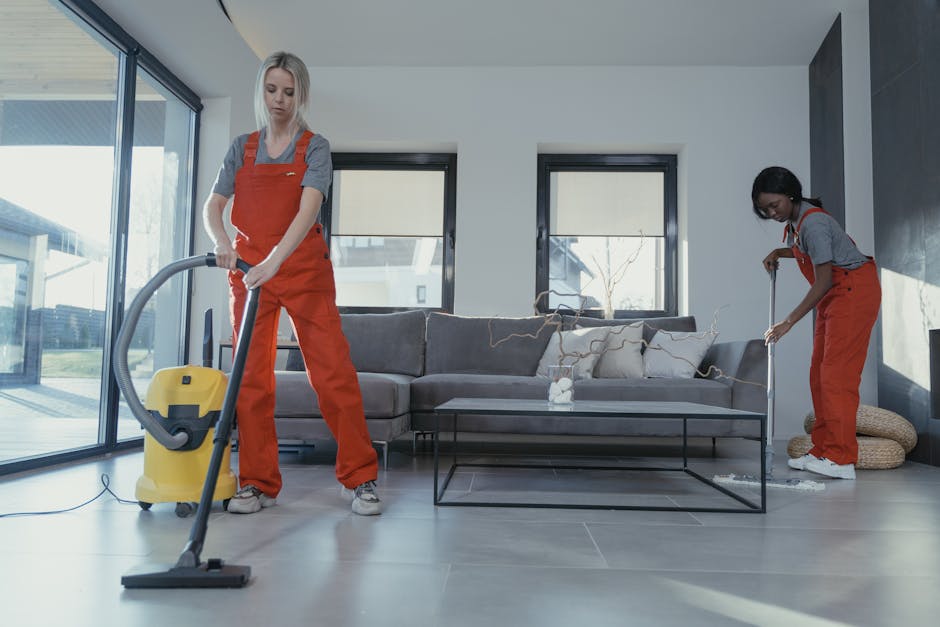
Same day emergency cleaning in Kingston common problems: what really goes wrong and how to handle it fast
When something spills, breaks, leaks, or just gets completely out of hand, you do not want a long wait and a vague promise. You want the place sorted today. That is the reality behind same day emergency cleaning in Kingston common problems: urgent messes, time pressure, and the need for a calm, competent response before the situation spreads. In Kingston, that can mean anything from a sudden flood of dirty water in a flat to a last-minute tenancy issue, a food spill in a busy household, or an office that needs to be usable again by morning.
The tricky bit? Emergency cleaning is not just about speed. It is about judging the problem quickly, choosing the right method, and avoiding the classic mistakes that make a bad situation worse. This guide breaks down the common problems, how same day cleaning works in practice, what to expect, and how to make better decisions when the clock is ticking. Let's face it, panic helps no one.
Table of Contents
- Why Same day emergency cleaning in Kingston common problems Matters
- How Same day emergency cleaning in Kingston common problems Works
- Key Benefits and Practical Advantages
- Who This Is For and When It Makes Sense
- Step-by-Step Guidance
- Expert Tips for Better Results
- Common Mistakes to Avoid
- Tools, Resources and Recommendations
- Law, Compliance, Standards, or Best Practice
- Options, Methods, or Comparison Table
- Case Study or Real-World Example
- Practical Checklist
- Conclusion
- Frequently Asked Questions
Why Same day emergency cleaning in Kingston common problems Matters
Emergency cleaning matters because small delays can turn a manageable mess into a much larger job. In practical terms, a spill left too long can stain carpet fibres, a leak can spread into skirting boards, and a neglected food incident can leave smells that linger well beyond the original accident. With Kingston homes, flats, rentals, and workplaces often operating on tight schedules, there is often a very real deadline attached to the cleanup.
The most common problems are usually not dramatic, but they are disruptive: water on hard floors, pet mess, overflowing bins, post-party mess, smoke residue, mould risk after damp, and last-minute pre-visit cleanups. In a shared building, the issue can be even more sensitive because stairwells, hallways, and neighbours all come into the picture. If one area is affected and it starts to smell, stain, or spread, fast action is no longer optional.
There is also the stress factor. People tend to underestimate how exhausting a messy room feels until they are standing in it at 7:30am with work, children, or a checkout deadline waiting. A proper same day response gives you back control. That matters more than people often admit.
For deeper, routine follow-up work after the initial emergency has been handled, many customers later decide they want deep cleaning or a broader one-off cleaning service to finish the job properly.
How Same day emergency cleaning in Kingston common problems Works
Same day emergency cleaning is usually built around triage. That is simply a quick assessment of what needs immediate attention, what can wait, and what equipment or products are needed. A good cleaner does not start by scrubbing everything in sight. They start by identifying the material, the surface, and the risk. A wet carpet is not the same as a greasy kitchen floor. Obvious, maybe, but it is where a lot of rushed jobs go wrong.
In most real-world cases, the process looks something like this:
- Initial call or message: You describe the issue, where it is, how bad it is, and when you need it dealt with.
- Quick assessment: The cleaner decides whether it is a standard emergency clean, a specialist spot treatment, a post-incident job, or something that needs a broader service.
- Arrival and inspection: Once on site, the team checks access, surfaces, safety concerns, and visible damage.
- Containment: The first task is often to stop the problem spreading, whether that means absorbing moisture, isolating a room, or removing waste.
- Targeted cleaning: The right method is used for the specific issue, such as stain treatment, odour control, sanitising, or debris removal.
- Final pass and advice: The area is checked again, and you get guidance on drying time, follow-up care, or whether extra treatment may be sensible.
That sounds neat on paper. In reality, the job can be messy and a bit stop-start. One minute you are dealing with a broken bin bag in a kitchen, the next you discover the spill has travelled under a sofa. Still, the structure remains the same: assess, contain, clean, finish.
For homes, it may involve a domestic cleaning approach. For businesses, the process often needs the logic of office cleaning because access, safety, and minimal disruption matter just as much as the result.
Key Benefits and Practical Advantages
The most obvious benefit is speed, but that is only part of the story. Same day emergency cleaning also reduces secondary damage, which is often the expensive bit. A stain removed early is easier to treat than one left overnight. A spill dried properly is less likely to create odour, slip risk, or long-term marking.
There is also a psychological benefit. When a problem is visible all day, it keeps pulling your attention back to it. You see it every time you walk past. That low-level stress can be surprisingly draining. Getting it cleaned quickly helps the whole space feel normal again, and honestly, that can be worth a lot on its own.
Other practical advantages include:
- Less disruption: You can get back to work, home routines, or guest preparation more quickly.
- Better hygiene: Urgent spills, waste, and contaminants are dealt with before they become a bigger sanitation issue.
- Lower risk of lasting odours: This is especially useful after food waste, pet accidents, or damp-related incidents.
- Improved presentation: Useful for landlords, tenants, hosts, and anyone dealing with a last-minute inspection.
- More controlled outcomes: Professional cleaners bring routine, product knowledge, and a calmer method than a frantic DIY attempt.
For many readers, the real advantage is not just a clean room. It is avoiding the chain reaction that follows a messy incident. That is the bit people remember a week later.
If the issue involves stubborn fabric or floor contamination, it may be sensible to consider specialist services such as carpet cleaning, upholstery cleaning, or hard floor cleaning depending on the surface affected.
Who This Is For and When It Makes Sense
Same day emergency cleaning is for anyone who cannot realistically wait until tomorrow. That sounds simple, but the triggers vary a lot.
Typical situations include:
- Tenants and landlords: A spill, mess, or accidental damage before checkout, inventory, or a new tenant moves in.
- Homeowners: A leaking appliance, a cooking accident, a pet incident, or a sudden mess after visitors.
- Busy families: When the house has to be safe and usable, but life is already moving at full speed.
- Offices and small businesses: When the working day cannot stop because the kitchen, reception, or communal area is out of action.
- Trades and renovation projects: After a messy phase, particularly where dust, debris, and packaging are piling up.
It makes sense when the issue is active, spreading, smelly, unsanitary, or likely to affect people using the space. It is less about perfection and more about urgency. A bit of surface dust can wait. A leaking washing machine cannot. Nor can a hallway that people keep slipping on.
For move-out situations, a specialist end of tenancy cleaning service may be the better fit if the issue is tied to a checkout deadline. For urgent domestic situations, house cleaning support may be enough if the problem is contained.
Step-by-Step Guidance
If you are dealing with one of the common emergency cleaning problems in Kingston, a calm sequence helps a lot. Here is the practical version.
- Stop the spread. If safe, keep people away from the area. Close a door, place towels down, move items out of the way, or turn off the source of the problem if that is within your control.
- Identify what happened. Was it water, food, grease, waste, bodily fluid, smoke residue, or something else? Different messes need different handling.
- Protect the surfaces. Do not rub a stain randomly into carpet or fabric. Blot where appropriate, but do not overdo it.
- Check for hidden damage. Look under furniture, behind skirting, or around appliance bases. Small spread areas can hide bigger problems.
- Decide whether you need specialist help. If the issue involves fabric, carpet, drainage, odour, or contamination, a quick response from experienced cleaners usually pays off.
- Book the earliest slot. Same day jobs are time-sensitive. The sooner the visit is booked, the better the chance of reducing damage.
- Prepare access. Clear a path, unlock entry points, and make sure someone is available to explain what happened.
- Follow aftercare advice. Drying time, ventilation, and temporary use restrictions matter. The job is not always finished the moment the cleaner leaves.
A small example: if a carton of milk has split across a kitchen floor at lunchtime, you might think a mop is enough. Sometimes it is. Sometimes it has moved into grout lines, under a fridge, or into a mat that needs more than surface wiping. That is the sort of thing that decides whether the problem is minor or annoying for the next three days.
If the incident is part of a bigger mess after work on a property, you may also need after builders cleaning to remove dust, plaster residue, and fine debris.
Expert Tips for Better Results
Good emergency cleaning is as much about what you do before the cleaner arrives as it is about the cleaning itself. In our experience, the best results usually come from clear information and quick containment.
Be specific when you explain the issue. Say whether it is water, grease, pet mess, or a mixed problem. Mention the surface involved. "Kitchen floor spill" is less helpful than "grease and food spill on laminate near the cooker." Tiny detail, big difference.
Ventilate early if it is safe. Fresh air helps with odour and drying, though you should avoid creating draughts that push dust or debris further across the room.
Do not layer products. A very common mistake is using one cleaner on top of another and hoping for magic. That usually leads to residue, streaking, or worse, product reaction. Not ideal.
Prioritise the highest-risk areas first. In a home, that might be the path everyone walks through. In an office, it may be reception or toilets. In a rental, it could be the room an inventory clerk will inspect first.
Ask about drying and access. If a carpet or soft furnishing has been cleaned, know when it can be used again. People often rush back too soon and undo half the benefit.
Keep photos if there is damage. This is especially sensible where the clean-up is linked to a tenancy, insurance conversation, or property management issue. You do not need to make it dramatic. Just sensible.
If you need reassurance about who is entering your property, it is worth checking a company's insurance and safety approach and their health and safety policy before booking.
Common Mistakes to Avoid
Most emergency cleaning headaches are made worse by one or two avoidable errors. These are the big ones.
- Waiting too long: If the mess is active, delay is expensive.
- Scrubbing hard straight away: That often drives dirt deeper into fabric or grout.
- Using the wrong product: Strong chemicals can mark surfaces or leave residues.
- Ignoring hidden moisture: A visible spill may be only part of the problem.
- Forgetting access points: If a cleaner cannot reach the source or the surrounding area, the job becomes slower and less effective.
- Expecting one quick pass to fix everything: Some emergency jobs need treatment, drying, and a second look.
- Trying to cover the issue instead of resolving it: Air freshener is not a cleaning plan. Helpful? Sure. A solution? Not really.
Another subtle mistake is underestimating the type of surface involved. A sealed vinyl floor, a wool rug, a painted wall, and a fabric sofa all behave differently. What works on one can be a nuisance on another. This is why experience matters in a same day callout.
If the problem has reached soft furnishings, you may need a more focused service such as sofa cleaning, rug cleaning, or carpet cleaner support rather than general wiping alone.
Tools, Resources and Recommendations
For urgent cleaning, the best tools are the ones that help you act quickly without making the problem worse. You do not need a cupboard full of gadgets, but a few practical items are worth keeping around.
- Microfibre cloths: Useful for blotting and lifting light residue without rough abrasion.
- Disposable gloves: Sensible for hygiene when handling unknown messes or waste.
- Absorbent towels or pads: Helpful for containing liquid before it spreads.
- Bucket and mild detergent: Good for basic washable surfaces, though not every job should start here.
- Bin liners and bags: For safe disposal of debris, packaging, or contaminated materials.
- Ventilation tools: Open windows where appropriate, or simply improve airflow if the weather allows.
For more structured cleaning help, it can be worth thinking in service categories rather than "just cleaning." For example, a messy kitchen after a small fire or heavy smoke event may need oven cleaning if the source was cooking-related, while a poorly lit office reception with dusty corners may benefit from office cleaners rather than a general tidy-up.
If you are deciding what to book, use three questions: What happened? What surface is affected? How fast must it be safe or usable again? Those answers usually point you in the right direction.
Law, Compliance, Standards, or Best Practice
With emergency cleaning, there is usually less about formal regulation and more about common-sense best practice, duty of care, and sensible handling. That said, UK households and businesses still have responsibilities around cleanliness, safety, waste handling, and not exposing people to avoidable hazards.
For example, in shared or commercial spaces, wet floors can create slip risks and should be managed properly. In rental properties, leaving contamination or visible mess unresolved can complicate handovers or inspections. In workplaces, prompt clean-up helps reduce disruption and keeps shared areas fit for use. It is not about drama. It is about avoiding preventable problems.
Professional cleaners should also be able to explain the products and methods they use in plain English. If a cleaning task involves contamination, strong odour, or difficult residue, it is reasonable to ask what will be done, how long it will take, and whether any area needs to remain unused afterward. Good providers should not be vague about that.
If you want to understand how a business handles customer confidence, responsibility, and service expectations, the pages on terms and conditions, payment and security, and complaints procedure can be useful context before you book.
Options, Methods, or Comparison Table
Not every urgent cleaning problem needs the same type of response. This table gives a practical comparison of common approaches.
| Situation | Best approach | Why it works | Watch out for |
|---|---|---|---|
| Fresh spill on a hard floor | Immediate absorb and wipe-down | Stops spread and reduces slip risk | Using too much water on sensitive floors |
| Stain in carpet or rug | Targeted stain treatment | Protects fibres and improves the chance of full removal | Scrubbing or overwetting |
| Food or waste incident in kitchen | Sanitising clean with waste removal | Deals with hygiene and odour together | Missing hidden residue under appliances |
| Pet accident on upholstery | Spot treatment and odour control | Addresses the fabric and smell rather than just the surface | Masking odour with fragrance alone |
| End-of-tenancy mess | Priority room-by-room clean | Focuses on the areas most likely to be inspected | Trying to do everything at once with no order |
| Post-work or renovation dust | Fine dust removal and detail cleaning | Targets the residue that keeps resettling | Dry dusting without containment |
The right method depends on the material, the urgency, and whether the goal is hygiene, presentation, or damage prevention. A good cleaner will not treat every job the same, because that is how mistakes happen.
Case Study or Real-World Example
Imagine a Kingston flat where a kitchen pipe starts leaking under the sink late in the morning. At first, it looks like a small puddle. Then the tenant notices water creeping towards the kickboard and a faint smell of damp. They have visitors arriving that evening, and the landlord wants the property checked the same day. Not exactly ideal.
The sensible response is not to wait and hope it dries. The tenant isolates the area, moves items out of the cupboard, and arranges same day cleaning support. On arrival, the cleaner checks the spread, absorbs visible moisture, cleans the surrounding floor, and pays attention to hidden edges where water can sit unnoticed. A follow-up recommendation might include ventilation and a later check if the area still feels damp.
That kind of job shows why emergency cleaning is not just "cleaning faster." It is damage control. A narrow, practical job at first can turn into a bigger issue if someone assumes the surface looks fine and moves on. A tiny pause, then the right action. That is the trick.
For a different kind of scenario, picture a small office in Kingston with a spill in reception before clients arrive. It may not be a serious incident, but it still affects first impressions. A prompt visit from cleaners can restore the area, remove residue, and get the space ready without a full-day shutdown.
Practical Checklist
Use this checklist when you are dealing with a same day cleaning problem and need to stay organised.
- Identify the issue: spill, leak, waste, stain, smell, dust, or contamination.
- Check the surface: carpet, fabric, tile, laminate, wood, upholstery, glass, or mixed materials.
- Contain the area: stop foot traffic and prevent the mess spreading.
- Remove anything salvageable: books, cushions, electrical items, or soft goods if safe to do so.
- Photograph damage if needed: useful for records, landlords, or managers.
- Ventilate if appropriate: especially after odours or damp.
- Book the soonest available slot: urgency matters.
- Explain exactly what happened: time, location, material, and severity.
- Ask about drying time: so you know when the area can be used again.
- Follow any aftercare instructions: simple advice can protect the result.
Expert summary: the best same day emergency cleaning is the kind that reduces damage, restores usability, and keeps the next problem from appearing two hours later. Quick, yes. But also careful. That combination is what saves people hassle.
Conclusion
Same day emergency cleaning in Kingston is really about managing pressure well. The common problems are usually straightforward in theory but frustrating in real life: spills, leaks, stains, odours, waste, and the awkwardness of needing a clean space right now. The best response is calm, quick, and targeted. Know what happened, protect the area, choose the right service, and do not make the classic mistake of trying to power through with the wrong product or too much elbow grease.
Whether you are dealing with a home mess, a tenancy issue, or a workplace disruption, speed matters-but so does method. A clean room is good. A properly handled problem is better. And if the place feels like itself again by the end of the day, that really does take a weight off your shoulders.
Get a free quote today and see how much you can save.
Frequently Asked Questions
What counts as a same day emergency cleaning job in Kingston?
It is usually any cleaning issue that cannot wait until the next day without causing more damage, stress, or disruption. That might be a spill, leak, odour, tenancy problem, or an area that needs to be safe and usable again quickly.
How fast can emergency cleaning be arranged?
It depends on the time of day, the type of issue, and availability, but the whole point is speed. If you contact a cleaner early and explain the problem clearly, you improve the chance of getting a same day response.
Is emergency cleaning more expensive than a regular clean?
Often, urgent jobs can cost more because they need immediate scheduling and sometimes specialist treatment. That said, the exact cost depends on the size of the job, the surface affected, and the amount of work involved.
What are the most common emergency cleaning problems in homes?
Common ones include food spills, pet accidents, overflowing bins, bathroom mess, damp patches, and accidental damage after guests or family events. Kitchens and high-traffic areas are usually the busiest trouble spots.
Can emergency cleaning remove stains completely?
Sometimes yes, sometimes not fully. The outcome depends on the stain type, how long it has been there, and the surface involved. Acting quickly gives you the best chance of a strong result.
Do I need specialist cleaning for carpets or sofas?
If the problem has soaked into fibres, yes, specialist treatment is often the better choice. A quick wipe may help on the surface, but fabric and carpet materials usually need deeper attention.
What should I do before the cleaner arrives?
Contain the area, stop people walking through it, move safe items out of the way, and give a clear description of what happened. If possible, note where the mess started and how far it spread.
Is same day cleaning useful for end-of-tenancy problems?
Very much so. If you are close to checkout or an inspection, urgent cleaning can help with problem rooms, last-minute spills, or areas that were missed during the main clean.
Can emergency cleaners help with bad smells?
Yes, if the smell is linked to a removable source such as waste, food residue, damp, or fabric contamination. Masking the smell is not the answer; the source has to be dealt with properly.
What if the problem is water damage?
Act quickly. Water can spread into hidden areas, especially around skirting boards, cupboards, and under furniture. A same day response helps reduce the chance of lingering moisture and secondary issues.
How do I know which cleaning service to book?
Start with the surface and the cause. Carpet, sofa, hard floor, oven, or general household mess each points toward a different solution. If you are unsure, describe the issue in plain language and let the cleaner guide you.
Is emergency cleaning available for offices too?
Yes. Office spills, waste issues, reception mess, and shared kitchen problems are all common reasons businesses need a rapid clean-up. The aim is usually to minimise disruption and keep the space usable.
What should I ask before confirming the booking?
Ask what is included, how long the visit may take, whether drying time is needed, and whether any areas must stay unused afterwards. If the job involves safety or access concerns, ask about those too.
Can emergency cleaning be combined with a deeper clean later?
Absolutely. In fact, that is often the smartest approach. The urgent issue gets fixed first, then a more thorough service can follow once the pressure is off.
When a cleaning problem catches you off guard, you do not need a perfect plan. You just need the next right step, and that is often enough to turn a messy day around.