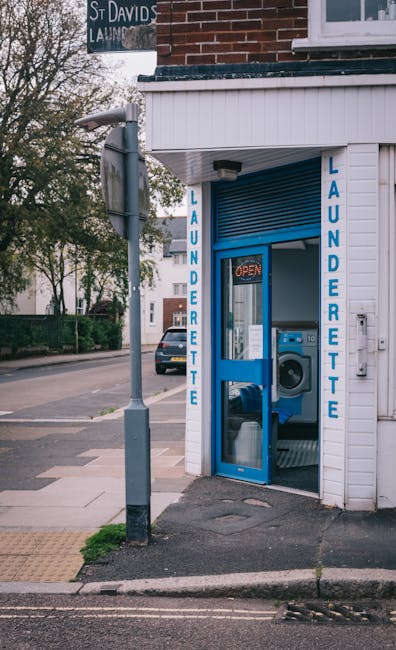
What to know about access issues for Kingston cleaners

If you are arranging a clean at home or in a workplace, access sounds like a small detail until it turns into the thing that delays everything. Truth be told, most cleaning jobs run smoothly because the access plan is sorted early: who opens the door, where to park, how to handle keys, what to do with alarms, and whether the cleaner can actually reach the rooms that need attention. This guide explains what to know about access issues for Kingston cleaners in a clear, practical way, so you can avoid last-minute stress and help the appointment start on the right foot.
You will find straightforward advice on common access problems, simple ways to prepare, and the kind of details people often forget until the day itself. There is also a checklist, a comparison table, and a realistic example from a typical Kingston household situation. Nothing fancy. Just useful, local, real-world guidance.
Why access issues matter
Access is not just about opening a front door. It includes getting into the building, finding the right entrance, reaching the correct floor, moving between rooms, and making sure the cleaner can work without unnecessary interruptions. If any one of those things is unclear, the job can start late, end early, or be less thorough than it should be.
That matters because cleaning is often time-based and route-based. A cleaner may have a fixed appointment window, specific equipment, and a sequence planned for a home or office. If the cleaner spends fifteen minutes waiting outside or searching for the right buzzer, that time has to come from somewhere. Sometimes that means less time on detail work, which is nobody's ideal outcome.
In Kingston, access issues often come up in apartment blocks, shared houses, managed offices, and homes with side gates, coded entries, or limited parking. A terrace on a narrow street can be easy to underestimate too. You might think, "It's just a quick clean." Then the vacuum is in the van, the parking bay is full, and no one can hear the doorbell over the kettle. Happens all the time.
It also affects trust. When access is planned properly, the appointment feels organised and calm. That matters for first-time customers, landlords, tenants, and busy households alike. For business settings, it can make the difference between a smooth early-morning clean and a chaotic scramble before staff arrive. If you want to understand the wider service standards behind that kind of reliability, it can help to read the company's health and safety policy and insurance and safety information.
How access planning works
Good access planning is simple in principle: the cleaner needs a reliable way to get in, complete the work, and leave the property secure. In practice, it means agreeing the details before the appointment rather than improvising on the day.
Most access arrangements fall into one of a few common patterns:
- Someone is present to let the cleaner in and show them around.
- A key is provided in advance or via a secure handover.
- A door code or concierge entry is used for flats and managed buildings.
- Remote access coordination is arranged for offices, empty properties, or rental turnovers.
- Timed access is matched to school runs, office hours, or building restrictions.
There is no single perfect method. The right setup depends on the property, the service, and who is responsible for the keys. For example, a weekly domestic cleaning visit may work well with a regular keyholder arrangement, while a one-off clean may need someone on-site to answer questions about surfaces, pets, or rooms that should be left alone.
What matters most is clarity. Who opens up? Who locks up? Is there a spare key? Does the cleaner need a lift to the upper floor, or is there a service entrance? Small details, big difference.
For properties with specialised cleaning needs, access planning can be even more important. A booked deep cleaning job, for instance, may involve more equipment and a longer on-site presence than a standard tidy-up, so the cleaner needs room to move and time to work without being interrupted every few minutes.
Key benefits and practical advantages
Getting access right does more than prevent delays. It improves the quality of the clean, keeps everyone safer, and makes the whole booking feel professional.
- Less wasted time because the cleaner can start promptly.
- Better results because more time goes into actual cleaning, not waiting or problem-solving.
- Lower risk of damage because access is controlled and agreed in advance.
- Stronger security because keys, codes, and lock-up procedures are clear.
- Less disruption for households, tenants, landlords, and staff.
There is also a quieter benefit that people overlook: a smoother relationship. When access is easy, the cleaner can focus on doing the job well, and you can focus on the result rather than fielding phone calls and last-minute questions. That sounds obvious. But in the real world, obvious things are often the ones that save the day.
If your clean is tied to a move, a rental handover, or a renovation wrap-up, access becomes part of the bigger service picture. For example, end-of-tenancy work often sits alongside end of tenancy cleaning, where timing is tight and the property may be empty for only a short window. That is exactly when a tidy access plan pays off.
Who this is for and when it makes sense
Access planning is useful for almost everyone, but it is especially important if you fall into one of these groups:
- Homeowners and renters who are not sure whether they will be in or out during the appointment.
- Landlords and letting agents managing vacant properties or tenant changeovers.
- Office managers arranging cleaning outside normal hours.
- Busy families who need the cleaner to work around work, school, or childcare.
- People in flats or gated buildings where entry depends on codes, buzzers, or concierge rules.
- Customers with pets, alarms, or shared entrances that need careful handling.
It also makes sense whenever the work involves more than a quick surface clean. A one-off cleaning visit, after-building tidy-up, or specialist service usually requires more coordination than a routine visit. The more moving parts involved, the more important it is to explain access clearly in advance.
Let's face it: if you are paying for a professional clean, you want the professional part to be the easy bit. Access is part of that.
Step-by-step guidance
If you are planning a visit and want it to run smoothly, use this simple sequence.
- Confirm how the cleaner will enter. Will someone be there, or will a key, code, or lockbox be used?
- Share any building instructions. Include buzzer numbers, flat numbers, concierge details, parking rules, or gate codes.
- Flag anything that could slow access. Think roadworks, loading restrictions, access doors that stick, or lifts that are often busy.
- Make room for the work. If a cleaner has to squeeze around stacked boxes, coat piles, or furniture, the job takes longer and feels harder than it should.
- Tell the cleaner about pets, alarms, and children. Not because they are a problem, just because they affect timing and movement.
- Agree the lock-up process. Make sure both sides know who checks windows, doors, and alarms at the end.
- Leave a contact number that works on the day. Sounds basic, but it saves a lot of faffing about.
For some jobs, especially those needing more time or equipment, it may help to review booking details alongside pricing and quotes so the scope, duration, and access needs are understood together. That way the cleaner is not walking into a mismatch between what was booked and what is actually on site.
One useful habit is to walk the access route yourself before the appointment. Start at the street entrance and move through the exact path the cleaner will use. You will spot things you missed earlier: a broken latch, a narrow hallway, a stair gate, a heavy internal door, or the recycling bins blocking the side passage. Those tiny obstacles add up.
Expert tips for better results
From a practical cleaning point of view, access is about removing friction. A few small habits make a big difference.
- Send clear instructions in one message. Scattershot details across texts and voicemails are easy to miss.
- Use plain language. "Top buzzer, left door, second floor" is better than a paragraph of vague directions.
- Keep codes current. If a gate code or alarm code changed last month, say so.
- Tell the cleaner where not to go. Maybe a locked study, a storage room, or a nursery.
- Leave a surface clear for valuables. If something is fragile or private, move it out of the way first.
- Have a backup plan. A spare key held by a trusted person is worth its weight in gold when a delay crops up.
In our experience, the best access arrangements are not complicated at all. They are just specific. Specific beats hopeful every time. And yes, a cleaner can work around awkward access in many situations, but better access usually means better cleaning. Simple as that.
If the property is used by more than one household member or team, it can help to agree access rules in writing. That becomes even more useful for regular visits by cleaners or long-term service plans where different people may open or close the property on different days.
Common mistakes to avoid
Most access problems are avoidable. The frustrating part is that they are usually the kind of mistakes people make once and never want to repeat.
- Assuming the cleaner will "just know" how to get in. They probably won't, and they should not have to guess.
- Forgetting to mention shared entrances or intercom quirks. Some buzzer systems are straightforward; some are, frankly, a bit temperamental.
- Leaving parking until the morning of the visit. That is a common cause of delays in busy Kingston streets.
- Giving an incomplete lock-up plan. If no one knows who resets the alarm, the end of the job becomes awkward.
- Not clearing a path. A cleaner can move a chair, sure, but not a whole obstacle course.
- Ignoring building rules. Some managed properties need notice for visitors or contractors.
One of the sneakiest mistakes is underestimating how much time access takes. If a clean is scheduled tightly and the cleaner spends ten minutes waiting for a key, that can ripple through the rest of the day. Nobody likes that domino effect.
For more detail on how a professional cleaning business handles expectations and customer responsibilities, it can help to read the terms and conditions. And if anything ever goes wrong, a clear complaints procedure is a good sign that the company takes concerns seriously.
Tools, resources and recommendations
You do not need specialist equipment to solve access issues, but a few practical tools can make life easier:
- Door entry notes stored in your phone or shared with the organiser.
- A labelled key handover system for recurring bookings.
- Temporary lockboxes where appropriate and agreed.
- A simple floor plan or room list for larger homes or offices.
- Parking details including where loading is permitted and when restrictions apply.
For property owners who care about security and data handling as well as access, it is sensible to review the company's privacy policy and payment and security information. Those pages help you understand how details are handled and what safeguards are in place around sensitive information.
If sustainability matters to you, especially in larger cleans or ongoing arrangements, you may also want to see how the business approaches waste and materials through its recycling and sustainability guidance. It is a small thing on paper, but a thoughtful service is usually visible in the details.
For customers choosing between service types, the page for cleaning company services can help set expectations about what kind of work is available and how a professional provider typically organises appointments.
Law, compliance, standards, or best practice
Access issues are not just a convenience topic; they overlap with safety, responsibility, and good business practice. In the UK, the exact obligations depend on the property type and the arrangement, but the general principle is straightforward: the cleaner and the customer should both know how access will work, and neither side should be left exposed to avoidable risk.
For domestic properties, good practice usually means:
- sharing access instructions clearly in advance,
- keeping keys secure,
- avoiding unsafe entry routes,
- providing correct alarm or entry information,
- and making sure the property is safe to work in.
For commercial settings, there may be additional site rules, visitor protocols, lone-working concerns, or insurance expectations. A professional provider should be able to explain how they manage those concerns in a calm, practical way. If they cannot, that is a bit of a red flag.
It is also sensible to look at the company's accessibility statement if your concern is not just physical access but how easily you can interact with the service itself. Accessibility can affect communication, booking, and support just as much as it affects steps, doors, and entry points.
For larger properties or jobs involving move-outs, builders, or storage areas, access can intersect with services like after builders cleaning or house clearance, where the route through the property may be cluttered or partially blocked. In those cases, clear planning is not optional really; it is the thing that makes the job viable.
Options, methods, or comparison table
There are several common ways to handle access. Each has strengths and weak spots, so the best choice depends on your situation.
| Access method | Best for | Advantages | Possible drawbacks |
|---|---|---|---|
| Someone is present | First-time bookings, homes with pets, detailed cleans | Easy introductions, quick questions answered, less confusion | Requires someone to be available for the full visit |
| Key handover | Regular cleaning, empty properties, recurring services | Reliable, flexible, suits routine appointments | Needs trust and a secure handover process |
| Door code or buzzer access | Flats, managed buildings, office premises | Convenient, quick entry when arranged properly | Codes can change and buzzer systems can be fiddly |
| Concierge or reception entry | Buildings with staffed reception areas | Professional, controlled, often simple for visitors | Depends on reception opening hours and staff availability |
| Timed remote access | Office cleaning, lettings, late or early visits | Fits around business hours and occupancy patterns | Less room for error if timing slips |
For everyday domestic work, a present host or a well-managed key handover usually works best. For commercial or scheduled maintenance, code-based entry or reception access can be more efficient. There is no universally best option, only the one that fits the building and the booking.
Case study or real-world example
Here is a typical Kingston-style scenario. A two-bedroom flat near a busy high street needs a thorough clean after a short tenancy. The tenant has already moved out, the letting agent is handling the keys, and there is a controlled entry system in the block. On paper, that sounds simple. In reality, a few things could easily go sideways: the wrong buzzer code, no parking space, and a cleaner standing outside with equipment while the concierge is on lunch.
What made it work was basic preparation. The agent confirmed the key collection point, shared the exact flat number, sent the updated entry code, and explained that the service lift should be used rather than the main staircase because the hallway carpet was newly fitted. The cleaner arrived, got in quickly, and could get on with the actual work instead of phoning around to solve access issues.
Nothing dramatic happened. That was the point. The best access plan is often the one nobody notices because it removes friction before it appears. A bit boring, perhaps, but beautifully effective.
This is especially true for specialist jobs such as carpet cleaning, sofa cleaning, or window cleaning, where equipment, movement, and timing all matter. If the cleaner can reach the right rooms and set up without delay, the finish usually reflects that.
Practical checklist
Use this before the appointment, especially if the property has unusual access or you will not be there in person.
- Confirm the arrival time and who will be present.
- Share the full address and any flat or unit number.
- Provide buzzer, gate, alarm, or door-code details.
- Explain where to park or unload, if relevant.
- Tell the cleaner about pets, stairs, narrow entrances, or fragile flooring.
- Clear a path from the entrance to the main working areas.
- Agree who locks up and how the keys are returned.
- Make a note of any rooms that should not be entered.
- Keep your contact phone available on the day.
- Check that the access instructions are still current. People forget this one quite often.
Quick summary: if access is simple, the clean is simpler. If access is confusing, the whole appointment can become slower, pricier, or less effective. So the best thing you can do is make the route into the property as obvious as possible.
If you are comparing providers, it is also sensible to learn a little about the business itself. The about us page can help you understand how the company works, while the contact page is useful when you need to ask specific access questions before booking.
Conclusion
Access issues are one of those unglamorous parts of cleaning that have a huge effect on the result. Get them right, and the appointment feels easy, efficient, and well handled. Get them wrong, and even a routine visit can become awkward very quickly.
The good news is that most access problems are preventable. Clear instructions, honest timing, secure key handling, and a sensible lock-up plan solve the majority of them. Whether you are arranging a home clean, office visit, or specialist service, it pays to treat access as part of the service rather than an afterthought.
When you are ready, choose the access method that fits the property, keep your instructions short and specific, and give the cleaner enough information to work confidently. That little bit of effort upfront really does show in the final result. And, to be fair, it saves everyone a headache.
Get a free quote today and see how much you can save.
Frequently Asked Questions
What are access issues for a cleaner?
Access issues are anything that makes it harder for the cleaner to enter, move around, or leave the property securely. That can include keys, codes, parking, building entry systems, lifts, alarms, or unclear instructions.
Why do access problems matter so much?
Because they affect punctuality, cleaning time, safety, and overall quality. If the cleaner spends time waiting outside or sorting out entry, there is less time available for the actual job.
Should I stay at home during the clean?
Not always. It depends on the arrangement. Some customers prefer to be present, while others provide a key or access code. The best option is the one that keeps the property secure and the appointment smooth.
What if I live in a flat with a buzzer system?
Give the cleaner the exact buzzer number, flat number, and any special instructions, such as using a side entrance or waiting for concierge assistance. Buzzer systems sound simple until they are not, so detail helps.
Can a cleaner work around parking restrictions?
Often yes, but it is much easier if you explain the parking situation in advance. If there are time limits, loading bays, or permit rules, share that information before the visit.
What should I do about keys?
Use a secure and agreed key handover process. For regular cleaning, many people set up a reliable keyholder arrangement. For one-off work, a present host or lockbox may be better.
Do access issues affect the price?
They can. If access is difficult, the job may take longer or require more coordination. That said, every provider handles this differently, so it is best to confirm the scope and quote details in advance.
How do I prepare if I will not be there on the day?
Leave full entry instructions, keep your phone on, ensure the cleaner can lock up properly, and make sure the route through the property is clear. A backup contact is useful too.
What if the cleaner cannot get in?
If that happens, contact the company as quickly as possible. Many delays are caused by missing codes, incorrect key arrangements, or last-minute changes. Clear communication usually solves the problem faster than you think.
Are access details kept private?
A professional cleaning company should handle access information carefully. If you are concerned about privacy or data handling, read the company's privacy policy and ask how codes or key details are stored and shared.
Can access be arranged for offices and business premises?
Yes. Office cleaning often uses reception entry, staff handover, alarm codes, or out-of-hours access. The important thing is to align the cleaning slot with building rules and security requirements.
What is the best way to avoid access problems altogether?
Send complete instructions early, keep them simple, and confirm any special details the day before. That is the easiest way to avoid the common slip-ups that cause delays.